
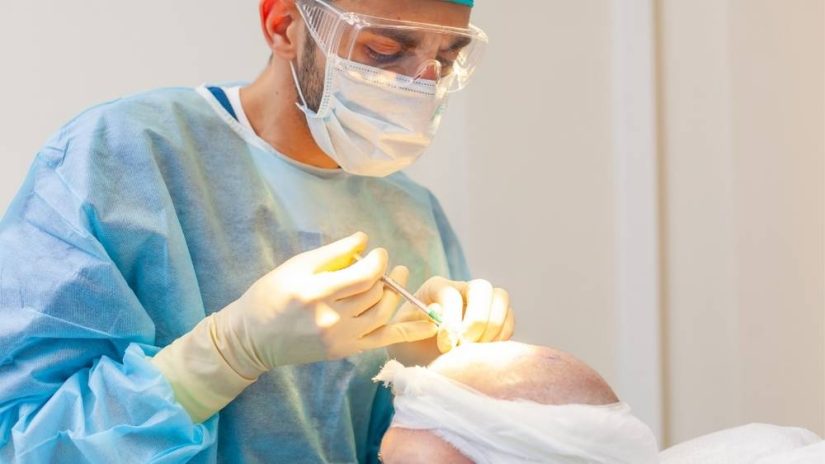
For many years, the conversation around hair restoration often focused on travelling abroad to find affordable solutions. However, in recent times, the landscape has shifted significantly. More people are now looking closer to home, realising that a glasgow hair transplant offers a level of care, proximity, and accountability that is difficult to replicate elsewhere. The decision to address hair thinning or a receding hairline is deeply personal, and having the procedure performed in a local, world-class clinical environment provides a sense of security that many patients now prioritise.
Glasgow has established itself as a leading centre for medical excellence in Scotland. This reputation extends to the field of aesthetic surgery and hair restoration. When you choose to stay in the city, you are not just paying for a procedure; you are investing in a relationship with a medical team that is accessible for follow-up appointments, emergency queries, and long-term monitoring of your progress. This local accessibility is often the deciding factor for those who want to ensure their results are managed by the same hands that performed the surgery.
The modern techniques available in Glasgow
The technology used in hair restoration has advanced rapidly. Gone are the days of the obvious ‘plug’ look that was common decades ago. Today, the focus is on creating a natural-looking hairline that blends seamlessly with existing hair. In a typical Glasgow hair transplant clinic, the primary methods used are Follicular Unit Extraction (FUE) and, in some cases, Follicular Unit Transplantation (FUT).
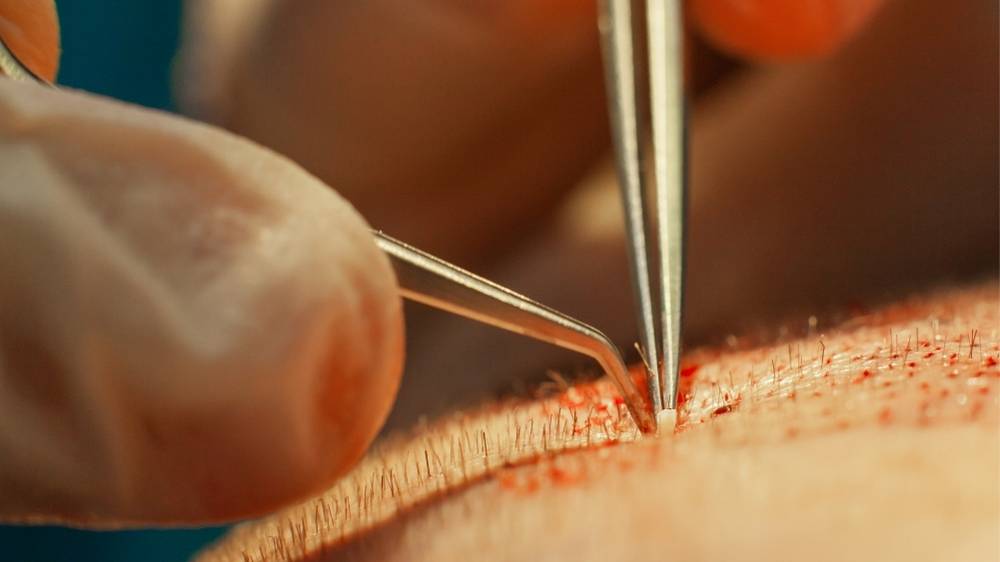
FUE is currently the most sought-after technique because of its minimally invasive nature. It involves extracting individual hair follicles from a donor area—usually the back or sides of the head where hair is more resistant to balding—and transplanting them into the thinning areas. Because the follicles are taken one by one, the scarring is negligible, often appearing as tiny dots that are virtually invisible even with short hair.
Why FUE has become the preferred choice
- Reduced recovery time: Most patients find they can return to their normal routine, including work, much faster than with older methods.
- Minimal scarring: The absence of a linear scar means you have more flexibility with how you style your hair in the future.
- Natural density: Surgeons can precisely place each graft to mimic the natural growth pattern and angle of your original hair.
- Local anaesthetic: The procedure is performed while you are awake, using local anaesthetic to ensure you remain comfortable throughout the day.
What to look for in a Glasgow hair transplant surgeon
With the increasing popularity of the procedure, it is vital to do your due diligence when selecting a clinic. A successful glasgow hair transplant depends heavily on the skill, artistry, and medical ethics of the surgeon. It is not merely a mechanical process; it requires an aesthetic eye to design a hairline that will age gracefully with the patient.
In the UK, all doctors must be registered with the General Medical Council (GMC). When researching clinics, you should verify the surgeon’s credentials and their specific experience in hair restoration. A reputable clinic will be transparent about their results and will often provide a portfolio of before-and-after photographs of previous patients. During a consultation, a good surgeon will also be honest about what can be achieved based on your donor hair availability and the extent of your hair loss.
Essential questions for your consultation
- How many procedures of this type do you perform annually?
- Can I see examples of hairlines you have designed for people with a similar hair type to mine?
- What is the long-term plan if my native hair continues to thin around the transplant?
- What specific aftercare support do you provide in the months following the surgery?
The journey from consultation to recovery
The process usually begins with a comprehensive consultation. This is where the surgeon assesses your scalp health, discusses your goals, and determines if you are a suitable candidate. Not everyone is a candidate for a transplant; sometimes, non-surgical interventions like medication or Platelet-Rich Plasma (PRP) therapy might be recommended first to stabilise hair loss.
On the day of the procedure, the atmosphere is typically relaxed. Many clinics in Glasgow provide a comfortable setting where you can watch films or listen to music while the surgeon and their team work. The duration of the day depends on the number of grafts required, but it often takes between six to eight hours. After the follicles are implanted, you will receive detailed instructions on how to care for your scalp in the coming days.
The recovery phase requires patience. In the first few days, there may be some minor swelling or redness, which is a normal part of the healing process. One of the most surprising stages for many patients is ‘shock loss,’ which occurs a few weeks after the procedure. This is when the newly transplanted hairs fall out. It is important to remember that the follicles remain healthy beneath the skin; the hairs simply shed before the new, permanent growth begins.
Managing expectations and long-term results
Patience is perhaps the most important requirement for anyone undergoing a glasgow hair transplant. Hair grows slowly, and it can take anywhere from six to twelve months to see the full impact of the procedure. By the one-year mark, the transplanted hair should be thick, healthy, and growing naturally. Because these follicles are taken from areas resistant to the hormones that cause male pattern baldness, the results are intended to be permanent.
However, a transplant does not stop the natural thinning of the hair that was already there. This is why many surgeons recommend a combined approach, using the transplant to restore the hairline while using other treatments to preserve the existing hair. This holistic view ensures that the results look good not just today, but ten or twenty years down the line.
The cost of the procedure in Glasgow reflects the high standard of medical care and the expertise involved. While it may seem like a significant upfront investment, many find the boost in self-confidence and the elimination of the need for temporary concealers or hairpieces to be well worth the price. By choosing a local clinic, you also save on travel and accommodation costs, while gaining the peace of mind that comes from being treated in a regulated, professional British medical facility.
Ultimately, the goal of hair restoration is to help you feel like yourself again. Whether you are looking to fill in a thinning crown or redefine a receding hairline, the options available within Glasgow today are more advanced and accessible than ever before. Taking the time to research, speak with experts, and understand the science behind the procedure is the first step toward a successful transformation.

Herman is a film writer passionate about exploring the history of cinema, from Hollywood blockbusters to timeless classics. He specializes in providing in-depth reviews, behind-the-scenes insights, and thoughtful analyses of cinematic trends and iconic films.